Type beat, how free trap instrumentals work for freestyle rappers
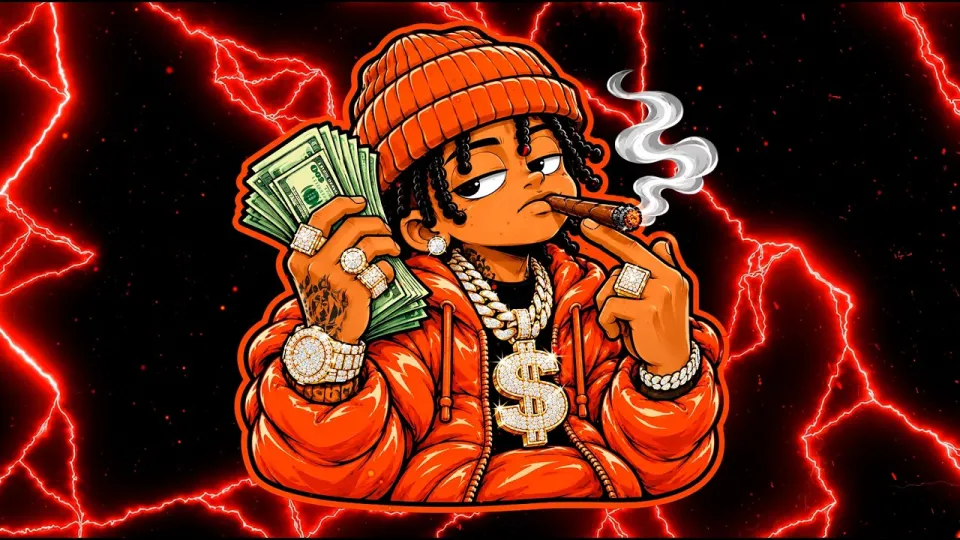
Video: FREESTYLE TYPE BEAT - ''I HAVE HARD FLOW'' | Trap Instrumental 2026 | Rap Type Beat
Need articles like this for your video? They help promote it on YouTube and Google — order them in the Telegram bot @sat_sit_bot. It writes articles around your video, embeds the video and publishes them on popular niche websites (no ads). Free trial — 50 articles.
Key takeaways
- A type beat is an original instrumental made in the style of a known artist or sound, sold or shared for rappers to record over.
- Rey Pandora Beats offers free use of instrumentals for non-monetized YouTube videos with producer credit in the description.
- Monetized releases on Spotify, Apple Music or iTunes require a paid commercial license from the producer's BeatStars store.
- The hard trap freestyle instrumental "I Have Hard Flow" is built for punchline-driven rap, not melodic singing.
- Free type beats usually run two to four minutes and loop in 8- or 16-bar sections for easy verse writing.
A type beat is an original instrumental built in the style of a specific artist, scene or sound, offered to rappers so they can write and record over it without commissioning a custom production. Free trap type beats like Rey Pandora Beats' "I Have Hard Flow" are typically downloadable at no cost for non-monetized videos, provided the producer is credited. Commercial releases need a purchased license, and the producer's catalog is available through the Rey Pandora Beats BeatStars store.
What a type beat actually is and why rappers search for them
A type beat is a finished instrumental that imitates the production signature of a known artist or a popular subgenre, sold or shared under that descriptive label. The phrase is a search convention: rappers type "Drake type beat" or "hard type beat" to find a track whose tempo, drum kit and mood already match the song they hear in their head. Nobody is claiming the beat was made by that artist, and no samples of the original recordings are used.
The model exists because custom production is slow and expensive. A rapper who wants to test a flow at 2 a.m. does not want to book studio time; they want a two-to-four-minute loop with a clear structure and a clean mix. Producers, in turn, get discovery: a single instrumental can be used by dozens of artists, each version promoting the beat.
Freestyle type beats are a subcategory built for writing practice rather than release. They tend to keep the arrangement simple, leave space in the mid-range for a voice, and avoid busy melodic hooks that fight the vocal.
How "I Have Hard Flow" is built for punchline rap
A hard trap freestyle beat prioritizes aggression and space over melody, and that is the design brief behind this instrumental from Rey Pandora Beats. The title signals the intent directly: it is a backdrop for dense, confident bars, not for singing.
What to expect from a beat in this lane:
- Tempo in the trap pocket, roughly 130–150 BPM felt as half-time, so double-time flows sit comfortably on top.
- 808 bass carrying the low end, with kick patterns that leave gaps for the vocal to land.
- Snappy hi-hat rolls and claps that mark the grid without cluttering the mids.
- A short, dark melodic loop — often a bell, pluck or distorted synth — repeated rather than developed.
- A structure of intro, verse loop, hook section and outro, so a 16-bar verse fits without editing.
Because the melodic content is minimal, the beat rewards delivery: ad-libs, vocal layering and punchline placement do most of the work. That is why instrumentals in this style are popular for freestyle sessions and cypher practice.
Free use versus commercial license: the exact terms
The distinction that matters most for anyone downloading a free type beat is monetization, not the download itself. Rey Pandora Beats states the rules plainly on the video page.
- Free use: the beat can be used at no charge in YouTube videos and personal projects as long as they are not monetized. Credit to Rey Pandora Beats as producer must appear in the project description or credits.
- Commercial use: monetized YouTube videos and distribution on Spotify, Apple Music, iTunes and similar platforms require a purchased commercial license.
In practice, that means a SoundCloud demo or a non-monetized YouTube freestyle video is covered by the free tier with credit, while a release that earns revenue is not. Skipping the license on a monetized upload is the most common mistake in this space, and it is the one that gets videos claimed or taken down. Licenses are bought directly from the producer's store, and the terms attached to each purchase define how many streams, videos or distribution channels are allowed.
Common questions rappers ask before recording
Three doubts come up again and again when people pick a hard trap beat for the first time.
The first is about visuals and presentation: listeners notice when a channel changes its artwork or thumbnail style, and a beat that sounds right can still feel different if the packaging shifts. That is a taste issue, not a technical one, and it does not affect the audio you record over.
The second is about writing to a beat that already has a strong identity. A title like "I Have Hard Flow" sets an expectation of aggressive delivery, but nothing stops a rapper from writing a slower, more reflective verse on the same loop — the instrumental is a tempo and mood, not a script.
The third is language and flow. Producers in this lane get comments and verses in Spanish, Indonesian, English and more, often on the same upload. Trap pockets are rhythm-first, so a flow written in one language transfers to another as long as the syllable count per bar stays consistent. If a verse feels crowded, cut syllables rather than speed up.
How to write and record over a freestyle type beat
Start by counting the structure before writing a single line, because a freestyle beat's value is its predictability. Loop the verse section, count eight bars, then eight more — that is your 16. Mark where the hook sits so you know how much space you have.
A practical workflow:
- Download the beat and note the tempo so your DAW grid matches.
- Record a scratch pass of mumbling or counting to find where the pocket sits.
- Write to the scratch, keeping one idea per bar and leaving the last two beats of every fourth bar open for an ad-lib.
- Track the verse twice — a main take and a doubled take at lower volume — for thickness without mud.
- Add credit to the producer in the video description before publishing.
Keep the vocal chain simple: a high-pass filter, light compression and a short plate reverb are enough on a beat with this much low-end energy. If the 808 and the vocal compete, carve 100–200 Hz out of the voice rather than turning the beat down.
Where to find more beats and how to use the producer's store
Rey Pandora Beats publishes freestyle type beats, hard trap instrumentals and dark rap beats, and links every upload back to a single storefront. That store is where licenses are purchased, and it is also where you can browse the catalog by mood and tempo instead of scrolling through videos.
Before buying, check three things: the license tier that matches your release plan, whether the beat has been used exclusively by another artist, and whether stems are included. Stems let a mixing engineer separate the 808, drums and melody, which is often the difference between a demo and a release-ready record. Free downloads are fine for practice; anything with revenue attached should have a receipt.
Summary
A type beat is a style-matched instrumental that lets a rapper record immediately, and free trap freestyle beats make that possible at zero cost with credit. "I Have Hard Flow" from Rey Pandora Beats is built for punchline-driven rap: a half-time trap pocket, 808 weight and a minimal melodic loop that leaves the vocal in charge. The licensing line is simple — free for non-monetized projects with credit, paid for monetized releases and streaming distribution. Start with the beat, count the bars, write to the pocket, and sort the license before you publish. Browse the full catalog and pick up a commercial license at the Rey Pandora Beats BeatStars store.
Questions & answers
Can I use a free type beat in a monetized YouTube video?
Not under the free tier. Rey Pandora Beats allows free use only in non-monetized videos and personal projects, with producer credit in the description. Monetized uploads and streaming releases on Spotify, Apple Music or iTunes require a purchased commercial license.
Do I have to credit the producer if the beat is free?
Yes. The free-use terms require mentioning Rey Pandora Beats as the producer in your project's description or credits. Credit is the trade for the free download, and it also helps the producer get discovered.
Can I write a verse in Spanish or another language over a trap type beat?
Yes. Trap instrumentals are rhythm-first, so a flow written in one language transfers to another as long as the syllable count per bar stays consistent. If a line feels crowded, cut syllables rather than speeding up the delivery.
What tempo and structure should I expect from a hard freestyle trap beat?
Most sit in the trap pocket around 130–150 BPM felt as half-time, with 808 bass, hi-hat rolls and a short repeated melodic loop. The arrangement usually runs intro, verse loop, hook and outro, so a 16-bar verse fits without editing.
Source: FREESTYLE TYPE BEAT - ''I HAVE HARD FLOW'' | Trap Instrumental 2026 | Rap Type Beat · Markdown version